

A federal court for the United States don cancel the controversial $100,000 application fee wey President Donald Trump place on H-1B visa applications, saying the President no get constitutional power to introduce such charge without approval from Congress.
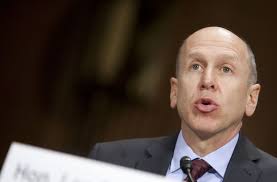
The ruling come from Leo Sorokin, a federal judge based for Boston, who declare say only the US Congress fit make laws to introduce new taxes or fees under immigration policy.
For im 42-page judgment, Sorokin talk say Trump exceed im authority when e impose the fee on companies wey dey apply for H-1B visas on behalf of highly skilled foreign workers.
“The President no get power or delegated authority to impose tax on H-1B petitions,” the judge ruled.
The case start after a group of Democratic state attorneys-general challenge the policy in court last December, few months after Trump introduced the fee as part of efforts to reduce what e described as excessive use of the H-1B visa programme.
The H-1B visa programme allows foreign professionals with university degrees or equivalent qualifications to work in specialised sectors such as technology, engineering, healthcare and finance in the United States.
The visa normally lasts for three years and can be renewed for another three years. Economic experts have often argued say the programme helps American companies remain competitive and create more jobs.
However, the Trump administration argued that existing immigration laws gave the President enough authority to introduce the new requirement.
Judge Sorokin disagreed with that position, insisting that no section of federal immigration law gives the President power to create taxes or financial levies without legislative approval.
The judgment represents another legal setback for the Trump administration’s immigration agenda and reinforces the role of Congress as the body responsible for approving major changes to immigration-related taxes and fees.
Legal analysts believe the ruling could have significant implications for future executive actions involving immigration policy and visa regulations in the United States.