
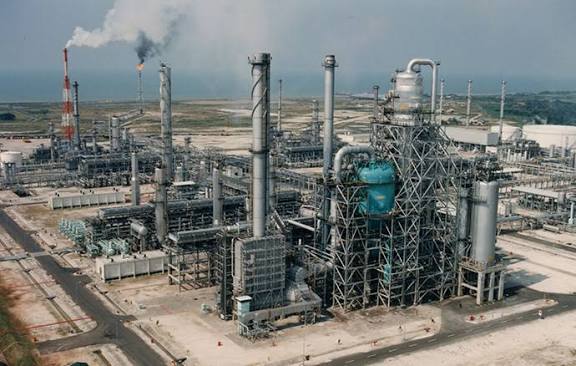

The Nigerian National Petroleum Company Limited (NNPC) don reveal say about N13.2 trillion don enter Nigeria three government-owned refineries between 2023 and 2024, even as di facilities continue to post heavy losses and fail to operate at profitable level.
Di money go mostly into turnaround maintenance, daily operations and bank charges, but di refineries — Port Harcourt, Warri and Kaduna — still no perform commercially.
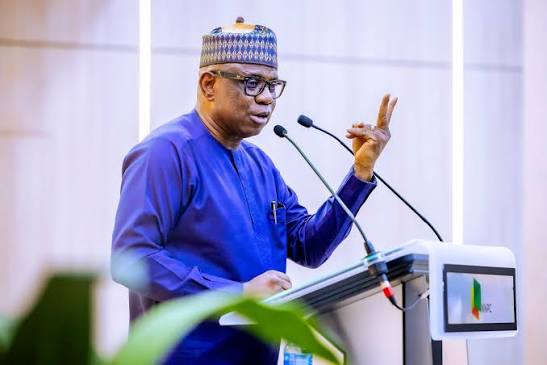
Di Group Chief Executive Officer of NNPC, Bayo Ojulari, openly admit on Wednesday say di refineries don turn serious burden to Nigeria economy, dey operate at wetin he describe as “monumental loss.”
Ojulari talk dis one for Abuja during fireside chat titled “Securing Nigeria’s Energy Future” at di Nigeria International Energy Summit 2026, where he give rare insight into di real situation of di long-troubled refineries.
According to NNPC 2024 financial statements, di three refineries owe di national oil company about N4.52tn in 2023, while di debt rise to N8.67tn by end of 2024. Put together, di figure reach about N13.2tn.
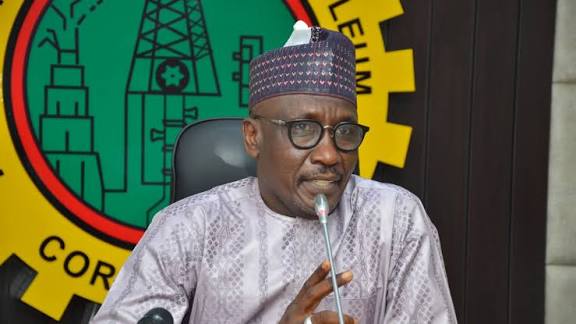
NNPC explain say di rising debt represent funding for refinery operations and bank charges, especially as former GCEO Mele Kyari try revive di refineries.
But Ojulari say di effort na pure waste.
“We were running at a monumental loss to Nigeria. We were just wasting money. I can say that confidently now,” he talk.
He add say Nigerians anger justified, considering di huge funds wey don go into refinery rehabilitation over di years and di hope say local refining go solve fuel supply wahala.
Breakdown show say Port Harcourt refinery chop di biggest share, as e debt rise from about N1.99tn in 2023 to N4.22tn in 2024 — increase of over N2.22tn in one year. Yet, di refinery record no income at all during di period.
For Warri refinery, debt climb from about N1.17tn in 2023 to N2.06tn in 2024. Any small internal transactions wey dey in 2023 disappear completely by 2024 as costs rise and income dry up.
Kaduna refinery, wey don face long operational and security challenges, see its debt rise from N1.36tn in 2023 to N2.39tn in 2024, due to continued spending on maintenance, staff, security and finance costs.
Ojulari reveal say despite di spending, crude oil dey supplied regularly to di refineries, but utilisation remain low.
“We dey pump crude every month, but utilisation na around 50 to 55 per cent. When you check di net, we dey leak value,” he say.
He explain say di new management biggest worry na say no clear path to recovery dey, despite di billions spent.
“Sometimes you fit lose money during investment, but you suppose see road to recovery. Here, that road no clear,” he add.
According to am, dis heavy loss lead to one of di first major decisions under his leadership — to halt refinery operationsand stop further waste while NNPC reassess di assets.
As of end of 2024, di refineries still carry N8.67tn debt, showing how heavy di turnaround maintenance programme don weigh on NNPC balance sheet.
For two years alone, N4.5tn go into di refineries in 2023, while N8.6tn follow in 2024, all recorded as debts owed by di refinery subsidiaries to NNPC.
Meanwhile, di refineries remain net cost centres, depending fully on NNPC funds.
Recall say di Port Harcourt refinery resume operation in November 2024, with former GCEO Kyari claiming 70 per cent capacity and daily petrol output of about 200 trucks. But di facility shut down again by May 2024, one month after Kyari leave office.
Same story happen for Warri refinery, wey shut down barely one month after reopening. Kyari also promise to revive Kaduna refinery, but e no happen before President Bola Tinubu remove am.
Last year, Aliko Dangote say government refineries fit never work again despite over $18bn spent. Former President Olusegun Obasanjo also question why NNPC continue to push revival when e clear say di plants no dey viable.
Many private sector players don advise NNPC to sell di refineries, instead of keeping dem as drainpipes to Nigeria resources. Ojulari reject dat advice, insist say di refineries go work again.
For now, Nigerians dey watch closely to see wetin go happen to di three refineries under Ojulari leadership.