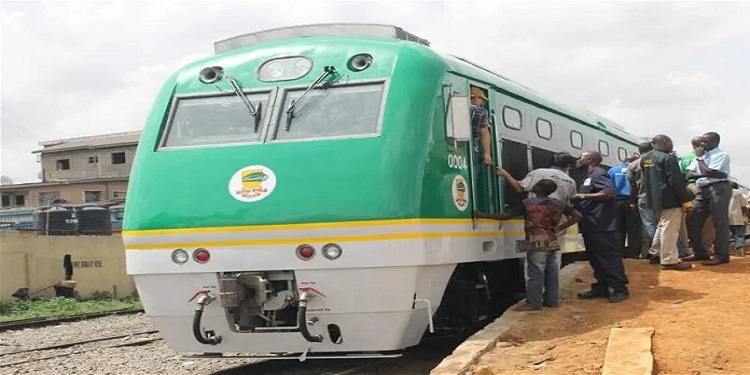

Nigerian Railway Corporation (NRC) don announce plan to introduce Liquefied Natural Gas (LNG)-powered trains and expand Nigeria rail network reach about 10,000 kilometres within the next five years.
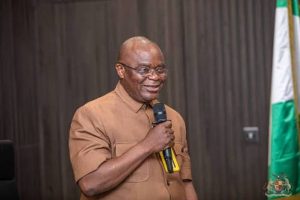 Managing Director of NRC, Dr Kayode Opeifa, disclose this one during televised interview, say the corporation don already complete the LNG concept phase and successfully test the technology for one month.
According to am, this development na major step towards cleaner and more efficient rail operations for the country.
“We don complete the LNG concept and demonstrate am for one month. Once gas systems reach Lagos–Ibadan and Warri–Itakpe corridors, where gas dey available, and we resolve regulatory matters, we go use gas generate electricity to power trains and also move gas products,” Opeifa talk.
He explain say the move to LNG align with Nigeria gas expansion agenda and go help reduce operating cost, while also improve energy security for the railway sector.
NRC Eyes Massive Rail Expansion
Beyond energy transition, Opeifa outline ambitious plan to expand the national rail network.
According to am, Nigeria currently get about 4,000 kilometres of rail lines, but NRC target na to reach 10,000 kilometres within the next five years and about 20,000 kilometres in the next 18 to 20 years.
“In the next five years, we hope more than double the tracks to around 10,000 kilometres. Another 10 years after that, we want Nigeria reach about 20,000 kilometres of rail lines,” he say.
Opeifa stress say achieving this target no go possible without serious private-sector participation, adding say government budget alone no fit fund such massive investment.
“Our doors dey open to private sector for concession and partnership. Government ready to provide sovereign guarantees, as e dey done globally, because our budget alone no fit fund rail expansion,” he add.
Communities Insist on Warri–Itakpe Line
Opeifa also reveal say despite security concerns, host communities along Warri–Itakpe corridor insist make train operations continue because of the economic activities wey the rail line bring.
Looking ahead, he say NRC dey introduce digital systems and plan major network expansions, including completion of Lagos–Kano rail line, Port Harcourt–Maiduguri corridor, and linking Ajaokuta to Abuja to allow seamless travel from South-South to the North.
The NRC also dey work with state governments like Lagos, Zamfara, Plateau, Niger and Ogun to maximise rail assets usage.
According to Opeifa, private operators don already begin take advantage of new opportunities in the sector.
“We now get private operators wey don get licence to run on our tracks. CCEC Nigeria Limited na one of dem. About 28 logistics companies don also get licence to move goods from Apapa Port,” he say.
He add say anybody wey get resources to bring locomotives and rolling stock go get access to NRC tracks, stressing say once the tracks dey active, the economy go benefit.
Opeifa conclude say investor interest don remain strong, with several licences already taken up in recent weeks — a sign of confidence in Nigeria future gas-powered rail system.