
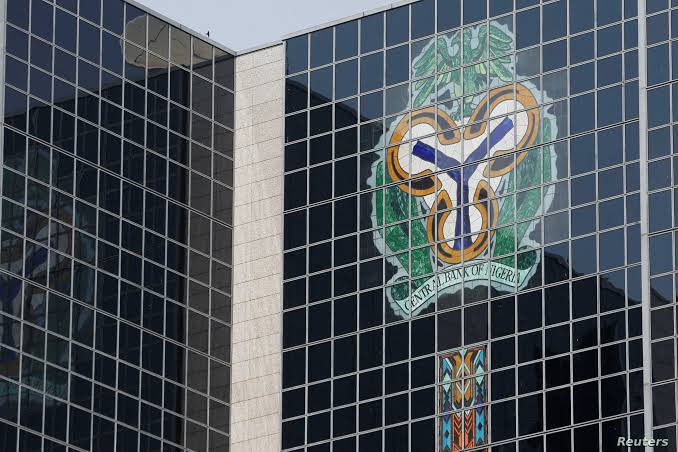

At least three bank mergers dey expected to happen early this year as Nigerian banks dey rush meet the Central Bank of Nigeria (CBN) new minimum capital requirement before the March 31, 2026 recapitalisation deadline.
This projection come from rating firm, DataPro, inside im 2026 Banking Sector Prospects in Nigeria report, where dem also outline major threats wey banking sector go face.
By the end of 2025, most Tier-1 banks don already meet the new capital threshold, while some others don announce say dem don comply for this New Year. This development don put serious pressure on smaller Tier-2 banks to strengthen their balance sheets or look for merger options.
DataPro enterprise risk management analyst, Idris Shittu, explain say by end of 2025, big banks go meet CBN capital requirement, while Tier-2 banks go dey under heavy pressure to comply.
“Three major mergers dey expected by early 2026 as banks scramble to meet the March 31 recapitalisation deadline,” Shittu talk.
According to am, the recapitalisation policy don trigger active mergers and acquisitions (M&A) environment, but e also come with risks. These include post-merger wahala like IT system integration, cultural alignment, and movement of non-performing loans (NPLs), especially for smaller banks.
He add say many banks don already enter “war room” mode to finalise deals and manage risks ahead of the deadline.
Shittu warn say Nigerian banks go face three major threats in 2026: tighter regulation with high Cash Reserve Ratio (CRR) wey dey limit liquidity; capital pressure from recapitalisation and merger risks; and technology disruption from fast-growing fintech companies.
He explain say the 45 per cent CRR for commercial banks dey lock almost half of naira deposits, forcing banks to focus more on fee-based income instead of traditional lending.
On fintech competition, Shittu say tech don dey reshape Nigeria banking space, as companies like Moniepoint and Opay dey aggressively take market share, especially from SMEs and retail customers.
“2026 fit become the year wey Nigerian banks go evolve from traditional banking go lifestyle super-apps, offering services like flight booking, food delivery and other daily needs inside banking platforms,” he say.
However, he warn say legacy IT systems and slow procurement process fit cause banks to lose younger customers to more agile fintech firms. To survive, banks go need to innovate fast, acquire fintech startups or spin off digital subsidiaries.
Looking ahead, Shittu project say number of banks for Nigeria go reduce significantly by end of 2026. While consolidation go make banking system stronger and support Nigeria ambition for $1 trillion economy, integration risks still dey high.
He reference past consolidation like 2005 reforms, warn say IT failures and cultural clashes fit disrupt operations, especially when conservative Tier-1 banks merge with aggressive Tier-2 banks.
He advise say success go depend on strong due diligence, asset quality checks, cultural fit and solid post-merger integration planning.
Meanwhile, professional services firm PwC paint more positive picture of the sector. In im Nigeria Economic Outlook – January 2026, PwC list finance as one of the sectors wey go drive growth in 2026.
According to PwC, recapitalisation rules, fintech reforms, and secondary listings by big banks on foreign exchanges dey attract more investors and boost confidence.
PwC project say demand for modern financial products, credit expansion and better risk management, alongside capital market growth to N262 trillion—driven by expected listings of Dangote Refinery and NNPC—go deepen liquidity and sustain interest in banking, fintech and insurance.
On technology, PwC add say banks and fintechs don accelerate use of artificial intelligence (AI) and blockchain to improve customer service, risk management and fraud detection, trend wey go continue into 2026 with more investments and innovation.