
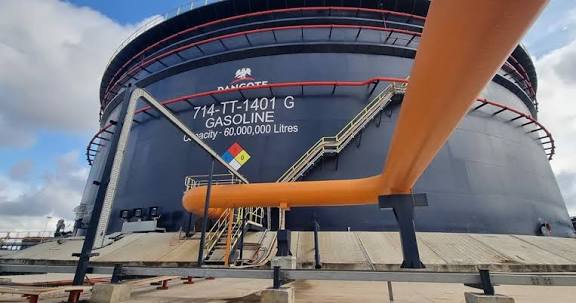


Dangote Refinery don clearly define its position for Nigeria downstream petroleum sector, as Chief Executive Officer, David Bird, talk say the $20 billion facility no be traditional crude-processing plant but fully flexible, trading-led merchant refinery connected to global energy markets.
Bird explain during media engagement say the refinery structure follow international refining hubs like Rotterdam and Singapore — locations wey get strong maritime access, diversified crude supply and global export network.
According to am, “We no be refinery wey just sit down for end of crude pipeline dey process only one type of crude. All our feedstock dey come by sea, and we fit sell products for local market or export am worldwide.”
Break From Traditional Model
Unlike vertically integrated oil companies, Dangote Refinery no own upstream oil wells wey automatically supply crude. Instead, the refinery dey buy crude from Nigerian producers and international markets based on commercial terms.
For many oil-producing countries, refineries dey built at end of pipelines and designed to process limited local crude grades — system wey Bird describe as “tramline refinery.”
But Dangote model different. The refinery dey source crude and intermediate feedstock from different countries and adjust production based on global market conditions.
Bird reveal say the refinery don process more than 25 different types of crude and about 10 intermediate feedstocks. He add say the focus na to maximise production capacity and profit margin, no matter where the crude come from.
He explain say about 30 percent of feedstock na Nigerian crude under naira-for-crude arrangement, another 30 percent na Nigerian grades bought from spot market, while remaining 40 percent come from international sources.
Exposure To Global Market Risks
As merchant refinery, Dangote directly exposed to crude oil price volatility, exchange rate movements and refining margins — also known as crack spread, wey be difference between crude cost and refined product price.
This means say the refinery pricing structure closely linked to global oil market trends, especially now wey Nigeria don remove fuel subsidy and allow market forces determine domestic fuel prices.
The development show say Dangote Refinery dey position itself as major player not just for Nigeria, but for global petroleum trade.