
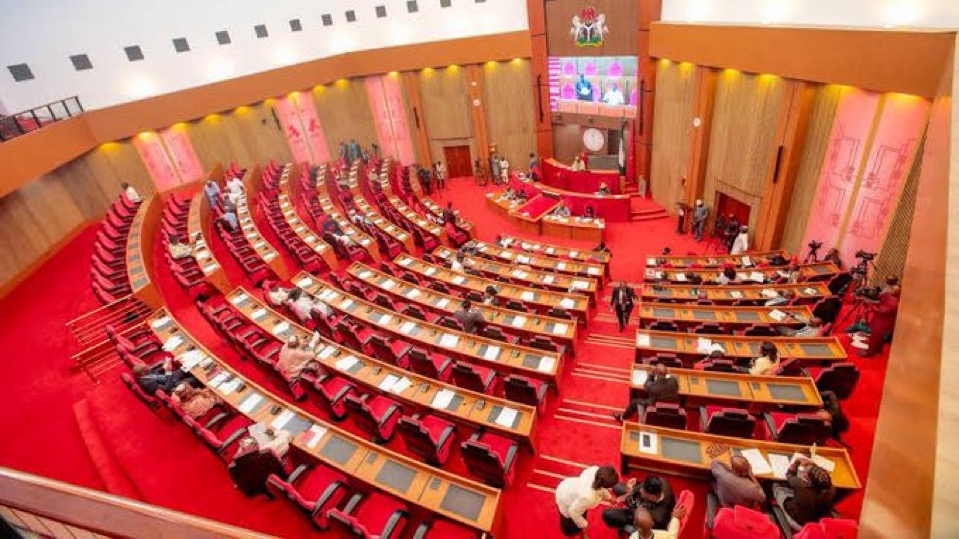

The Senate has passed two important judiciary reform bills for second reading, paving the way for an increase in the number of judges and justices serving in Nigeria’s superior courts.
The proposed amendments seek to raise the number of judges at the Federal High Court from 70 to 90, while the number of Justices of the Court of Appeal is expected to increase from 70 to 110.
Lawmakers say the move is aimed at reducing case backlogs, improving access to justice and ensuring faster resolution of legal disputes across the country.
Bamidele Pushes for Stronger Judiciary

Leading the debate on the bills, Senate Leader Opeyemi Bamidele said the proposed changes are necessary to strengthen the capacity of the judiciary and enhance the administration of justice.
According to him, democracy can only thrive when citizens, institutions and businesses have access to timely judicial decisions.
Bamidele noted that the Court of Appeal plays a crucial role in Nigeria’s judicial system, adding that increasing the number of justices would improve efficiency, representation and overall court administration.
More Judges to Reduce Case Backlog
The Senate Leader also argued that increasing the number of Federal High Court judges would help clear the growing backlog of cases currently facing the courts.
He said the reform would improve access to justice, strengthen the fight against corruption and financial crimes, and boost investor confidence by ensuring quicker resolution of commercial disputes.
Specialized Cases to Benefit
Bamidele further explained that the additional judges would enhance the handling of specialised cases involving banking, telecommunications, maritime, aviation and intellectual property matters.
According to him, the growing complexity of such cases makes it necessary to expand the capacity of the courts.
Bills Move to Committee Stage
The bills received unanimous support from senators during plenary and have now been referred to the Senate Committee on Judiciary, Human Rights and Legal Matters for further legislative work.
The committee is expected to submit its report within four weeks.
If eventually passed into law, the reforms are expected to strengthen Nigeria’s judicial system, improve the speed of justice delivery and ease the workload currently facing the nation’s superior courts.